Glazing Meaning in Text has become a popular search term as more people encounter the word on TikTok, Instagram, X, YouTube, Discord, and gaming communities.
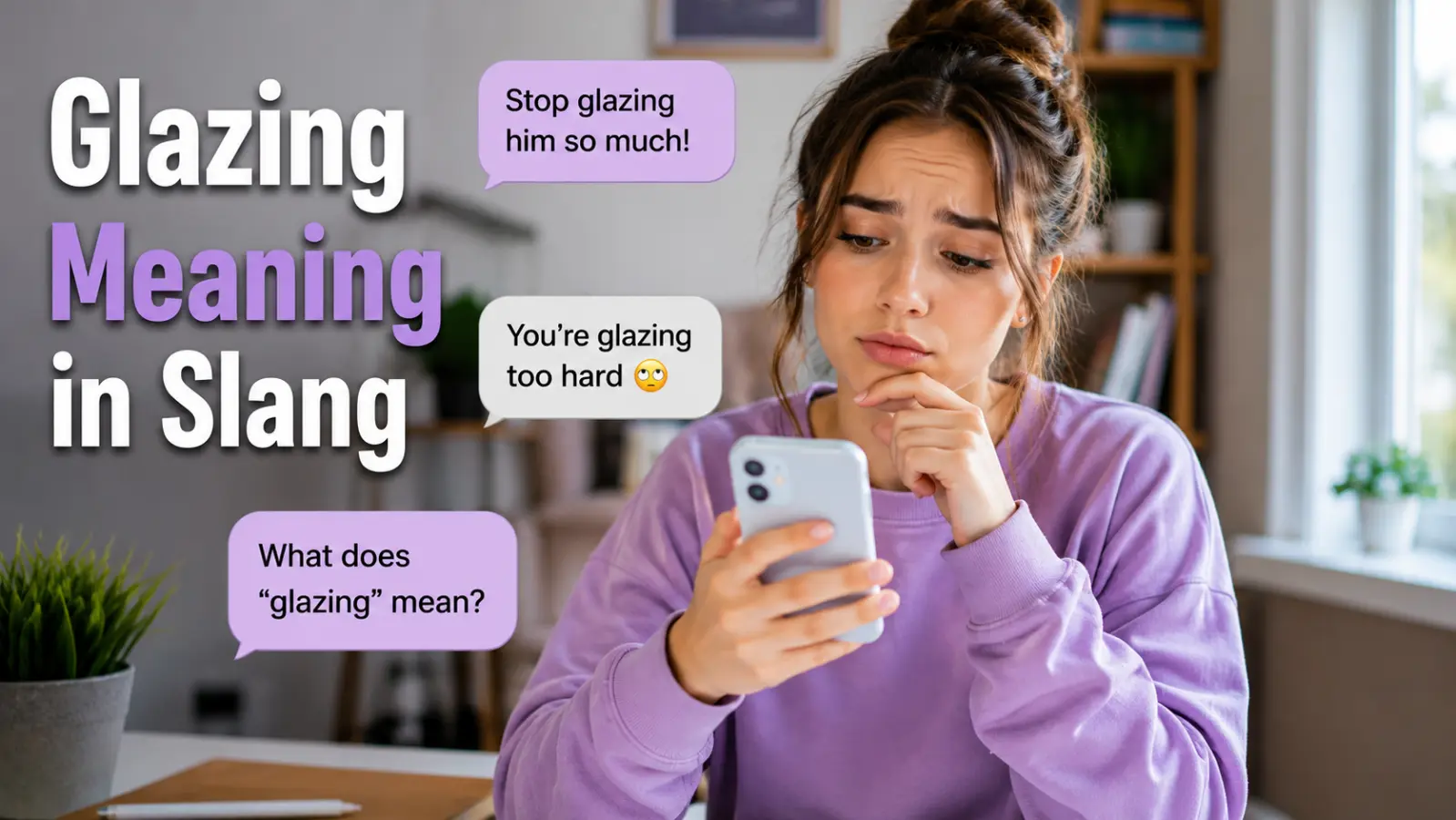
If you’ve seen comments like “Stop glazing him” or “You’re glazing too much,” you may have wondered what the slang actually means.
Internet slang changes quickly, and words that seem confusing at first can become part of everyday online conversations. Understanding modern slang helps you
communicate better, avoid misunderstandings, and stay connected with current social media trends.
if you saw the term Glazing Meaning in Text in a meme, a comment section, a group chat, or a gaming stream, this guide explains everything you need to know about glazing slang.
Quick Answer:
Glazing is slang for excessively praising, admiring, or supporting someone, often in a way that feels exaggerated, unnecessary, or biased. It is usually used humorously to call out someone who is giving too much praise.
What Does Glazing Mean in Text?
Glazing Meaning in Text refers to giving someone excessive praise, admiration, or support in text messages and online conversations. The term is commonly used when a person appears to be complimenting, defending, or hyping someone far more than necessary.
When someone is accused of glazing, others believe they are showing exaggerated admiration or favoritism. Understanding Glazing Meaning in Text can help you better interpret conversations on TikTok, Instagram, X, YouTube, gaming communities, and other social media platforms.
Examples include:
- Constantly praising a celebrity
- Defending a favorite athlete no matter what
- Overhyping a friend
- Repeatedly complimenting a creator or influencer
The term is often used jokingly, but it can also be used as criticism.
Simple Definition
Glazing meaning slang: Excessively praising, worshipping, supporting, or admiring someone in a way that seems exaggerated.
Glazing Full Form and Definition
Many users search for the glazing full form, but glazing is not actually an acronym.
Unlike slang terms such as LOL or BRB, glazing does not stand for multiple words.
Instead, it is a slang expression that evolved through internet culture and social media communities.
What Does Glazing Stand For?
Glazing does not have a formal full form.
Its slang meaning is:
- Overpraising someone
- Being overly supportive
- Showing excessive admiration
- Acting biased toward a person
Meaning in Different Contexts
Social Media
On TikTok, Instagram, and X, glazing is commonly used when fans excessively praise creators, celebrities, or influencers.
Example:
“Bro is glazing that streamer again.”
Sports
Sports fans often accuse others of glazing athletes.
Example:
“You’re glazing your favorite player. He didn’t even play well today.”
Gaming
Gamers use the term when someone constantly defends a player, team, or content creator.
Example:
“Stop glazing the developer. The update has problems.”
Friend Groups
Friends may use glazing humorously.
Example:
“You’ve complimented him ten times today. That’s pure glazing.”
Is Glazing Rude, Offensive, or Neutral?
Glazing is generally considered mildly negative but not highly offensive.
The tone depends on context.
Neutral Usage
- Friendly teasing
- Jokes among friends
- Casual conversations
Negative Usage
- Calling someone biased
- Criticizing excessive admiration
- Pointing out favoritism
Offensive Usage
In rare situations, people may use it aggressively during arguments or online debates.
Most of the time, however, glazing is viewed as internet humor rather than a serious insult.
Where Is Glazing Commonly Used?
You will frequently find glazing slang on:
- TikTok
- X (Twitter)
- YouTube comments
- Twitch streams
- Discord servers
- Reddit communities
- Gaming forums
- Group chats
- Text messages
The term is especially popular among Gen Z users and younger internet communities.
Real-Life Conversation Examples
Friendly Example
Friend 1: “Sarah’s presentation was really good.”
Friend 2: “You’ve been talking about it all day. Stop glazing.”
Casual Example
Person A: “That singer is amazing.”
Person B: “You’re glazing again.”
Argumentative Example
Person A: “He’s the greatest athlete ever.”
Person B: “That’s glazing. Look at the actual stats.”
Online Example
Comment: “This creator never makes mistakes.”
Reply: “The glazing is unreal.”
Emotional and Psychological Meaning
Glazing often reflects strong emotional attachment to a person, brand, celebrity, athlete, or influencer.
People may glaze because they:
- Feel inspired by someone
- Admire achievements
- Want social approval
- Enjoy supporting favorites
- Identify with a community
Psychologically, excessive admiration can sometimes reduce objectivity, which is why others may accuse someone of glazing.
Origin and Background of the Slang
The modern slang meaning of glazing gained popularity through social media platforms, especially TikTok and gaming communities.
The term became widespread during discussions about athletes, celebrities, influencers, and streamers.
Over time, users began applying glazing to anyone who appeared overly supportive or excessively complimentary.
Today, it has become one of the most recognized pieces of internet slang among younger audiences.
Comparison With Similar Slang
| Slang Term | Meaning | Tone |
|---|---|---|
| Glazing | Excessive praise or admiration | Mildly negative |
| Simping | Excessive attention toward someone romantically | Often negative |
| Fanboying | Strong support for a person or brand | Neutral to negative |
| Meat Riding | Extreme and obsessive support | More offensive |
| Hyping | Encouraging or promoting someone | Usually positive |
Glazing vs Simping
Glazing focuses on excessive admiration in general.
Simping usually involves admiration that has a romantic or attraction-based element.
Glazing vs Meat Riding
Both terms describe excessive support.
However, meat riding is generally considered more aggressive and offensive than glazing.
When to Use and When to Avoid Glazing
Appropriate Situations
- Internet discussions
- Meme culture
- Casual conversations
- Friendly teasing
- Gaming communities
Situations to Avoid
- Professional emails
- Business meetings
- Academic writing
- Formal communication
- Workplace discussions
Using slang in professional environments may create confusion or appear unprofessional.
Polite Alternatives
If you want a softer expression, consider:
- Overpraising
- Excessive admiration
- Being biased
- Showing favoritism
- Overhyping
- Excessive support
These alternatives work better in formal situations.
Why People Use This Slang
People use glazing because it is:
- Short and memorable
- Funny
- Easy to understand online
- Popular among younger users
- Effective for calling out exaggerated praise
The term quickly communicates an idea that would otherwise require a longer explanation.
Impact of Using Slang in Communication
Slang can make conversations:
More Engaging
- Creates relatability
- Builds social connections
- Reflects internet culture
Potentially Confusing
- Older audiences may not understand
- Meanings vary by community
- Can cause misunderstandings
Understanding your audience is important before using internet slang.
Is It Safe for Social Media?
Yes, glazing is generally safe for social media use.
The term does not contain profanity and is widely accepted on major platforms.
However, users should:
- Avoid using it aggressively
- Consider the audience
- Respect different opinions
- Keep discussions constructive
Used responsibly, glazing is considered harmless internet slang.
Common Misunderstandings
Many people mistakenly believe:
Glazing Means Complimenting
Not exactly.
A normal compliment is not glazing.
Glazing implies excessive or exaggerated praise.
Glazing Is Always Insulting
False.
Many people use it jokingly among friends.
Glazing Has a Full Form
False.
There is no official glazing full form.
Variations and Types
Common variations include:
- Glazing
- Glazer
- Professional glazer
- Certified glazer
- Ultimate glazer
Examples:
“He’s a professional glazer.”
“That’s certified glazing.”
These variations are common in memes and comment sections.
How to Respond When Someone Uses It
If someone says you’re glazing, you can respond in several ways.
Humorous Response
“Maybe a little.”
Playful Response
“I just appreciate greatness.”
Serious Response
“I’m sharing my opinion, not glazing.”
The best response depends on the conversation and tone.
Regional and Cultural Usage
Glazing is primarily associated with:
- United States internet culture
- Gen Z communities
- Gaming culture
- Social media platforms
However, because social media is global, the term is now recognized in many countries and online communities worldwide.
FAQs
What is the glazing meaning slang?
Glazing means excessively praising, supporting, or admiring someone in a way that seems exaggerated.
What does glazing mean in text messages?
In texts, glazing usually refers to giving someone too much praise or defending them excessively.
Is glazing an insult?
Not usually. It is often playful teasing, though it can be used negatively.
What does glazing stand for?
Glazing does not stand for anything. It is not an acronym.
Is glazing the same as simping?
No. Glazing refers to excessive admiration generally, while simping usually involves romantic interest.
Can I use glazing on social media?
Yes. The term is widely used on TikTok, Instagram, X, YouTube, and gaming platforms.
Conclusion
Understanding the glazing meaning slang helps you navigate modern internet conversations with confidence. The term describes excessive praise, admiration, or support toward a person, celebrity, athlete, influencer, or creator. While glazing is usually used humorously, it can also be a mild criticism when someone appears overly biased.
As with any slang, context matters. Among friends and on social media, glazing is generally acceptable and easy to understand. In professional settings, however, more formal language is usually the better choice. Knowing when and how to use glazing ensures your communication remains clear, relevant, and appropriate for your audience.

I’m Max Punson, a writer who lives for clever wordplay and laugh-out-loud puns. I love twisting everyday language into something funny and unexpected. My goal is to make readers grin, giggle, and groan—all at once. Through my pun-filled writing, I aim to keep humor alive, one witty line at a time.